Turning 40 can change the way you think about your health. You may notice that maintaining your weight is harder than it used to be, recovery after exercise takes longer, or sitting for too many hours leaves you feeling stiff and tired.
But reaching 40 doesn’t mean that declining fitness is inevitable. In fact, your 40s can be an excellent time to become stronger, improve your eating habits, protect your heart and bones, and build a healthier lifestyle for the decades ahead.
The key is to stop thinking of fitness as something you do temporarily to lose a few pounds. Instead, focus on creating habits you can maintain.
If you’re wondering how to stay fit after 40, here are 12 practical strategies to help you stay strong, energetic, and healthy.
1. Make Strength Training a Priority
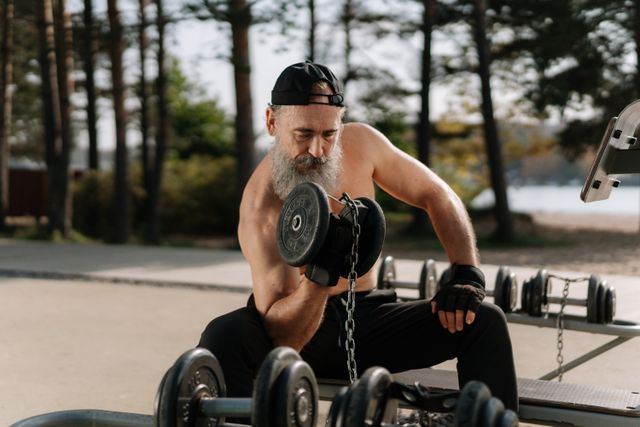
One of the most important changes you can make after 40 is adding resistance training to your routine.
Adults gradually lose muscle mass as they get older, particularly if they are physically inactive. Maintaining muscle matters because muscles support movement, strength, balance, metabolism, and everyday independence.
Strength training doesn’t necessarily mean lifting extremely heavy weights.
You can use:
- Dumbbells
- Resistance bands
- Weight machines
- Bodyweight exercises
- Kettlebells
Exercises such as squats, lunges, rows, wall push-ups, glute bridges, and overhead presses can train several major muscle groups.
Aim to include muscle-strengthening activities for all major muscle groups at least twice a week, while allowing yourself enough recovery time.
If you’re completely new to resistance training, start with light resistance and learn proper technique before increasing the difficulty.
2. Don’t Ignore Cardiovascular Exercise
Strength training is important, but your heart needs exercise too.
Cardiovascular activities increase your heart rate and can improve cardiovascular fitness and endurance. They can also help with weight management when combined with an appropriate diet.
You don’t have to run or spend hours at the gym.
Walking is one of the easiest options.
Other possibilities include cycling, swimming, dancing, hiking, aerobics, or using an elliptical machine.
A useful long-term target for many adults is around 150 minutes of moderate-intensity aerobic activity each week, along with regular muscle-strengthening exercise.
That could be as simple as brisk walking for 30 minutes on five days of the week.
If 30 minutes feels difficult initially, begin with 10- or 15-minute sessions and gradually increase your activity.
Consistency matters more than trying to transform your fitness level overnight.
3. Increase Your Everyday Movement
Exercise isn’t the only movement that counts.
A person can exercise for 30 minutes and still spend most of the remaining day sitting.
Look for opportunities to move throughout your day.
Walk while talking on the phone, take the stairs when practical, do household chores, spend time gardening, or take a short walk after meals.
You can also get up and move around periodically when working at a desk.
These small bursts of movement might not feel like traditional exercise, but they contribute to a more active lifestyle.
A good rule is simple: move whenever you have an opportunity to move.
4. Eat Enough Protein
Nutrition becomes increasingly important when you’re trying to maintain muscle and manage your weight after 40.
Protein provides amino acids your body uses for building and maintaining tissues, including muscle.
Good protein sources include:
- Eggs
- Chicken
- Fish
- Lean meat
- Lentils and beans
- Greek yogurt
- Cottage cheese
- Milk
- Tofu and other soy foods
Rather than eating most of your protein at one meal, try including a source of protein throughout the day.
For example, you could have eggs or yogurt at breakfast, lentils at lunch, and chicken or fish with dinner.
Your exact protein needs depend on factors including your body weight, activity level, age, overall health, and fitness goals.
5. Build Your Meals Around Whole Foods
Staying fit after 40 isn’t about following the latest restrictive diet.
Your overall eating pattern matters much more.
Build most of your meals around nutrient-dense foods such as vegetables, fruit, whole grains, legumes, nuts, seeds, lean proteins, fish, eggs, and dairy or appropriate alternatives.
Try to limit foods that provide lots of calories while offering relatively little nutritional value.
That doesn’t mean you can never have chocolate, cake, pizza, or your favorite takeaway.
Think about your diet as a whole rather than judging yourself by a single meal.
A practical plate might include plenty of vegetables, a source of protein, and an appropriate portion of whole grains or another carbohydrate source.
Simple meals can often be healthier and easier to maintain than complicated diet plans.
6. Pay Attention to Portion Sizes
If you’ve noticed weight gain in your 40s, you may immediately blame a “slow metabolism.”
The reality is more complicated.
Body composition, activity levels, sleep, diet, hormones, medications, and lifestyle can all influence body weight.
Instead of dramatically restricting food, start by examining your portions.
Foods such as nuts, oils, cheese, desserts, sugary drinks, and restaurant meals can contain substantial calories in relatively small amounts.
Try eating slowly and give yourself time to recognize fullness.
You don’t necessarily need to count every calorie forever. Learning what sensible portions look like can make maintaining a healthy eating pattern much easier.
7. Add Flexibility and Mobility Work
You may have been able to skip stretching in your 20s and barely notice.
By your 40s, mobility deserves more attention.
Regular mobility exercises can help you maintain comfortable movement through your joints and make everyday activities easier.
Consider adding 5–10 minutes of gentle mobility work before or after workouts.
Focus on areas that commonly become tight, including the:
- Hips
- Hamstrings
- Calves
- Shoulders
- Upper back
- Chest
Yoga can also combine flexibility, strength, balance, and relaxation.
Avoid forcing your body into painful stretches. Mobility should generally feel controlled rather than aggressive.
8. Protect Your Bones
Bone health becomes increasingly important as you age, particularly for women approaching or going through menopause.
Weight-bearing activities place healthy stress on bones and can support bone strength.
Examples include walking, stair climbing, dancing, resistance training, and some forms of hiking.
Nutrition matters too.
Calcium, vitamin D, protein, and an overall nutritious diet all play roles in maintaining healthy bones.
Some people may need supplements, but taking supplements unnecessarily isn’t automatically beneficial. Your doctor can help determine whether you need them based on your diet, medical history, medications, and potentially blood tests.
9. Take Sleep Seriously
You can have a great workout routine and nutritious diet and still struggle if you’re consistently sleep deprived.
Sleep influences recovery, concentration, mood, appetite, and physical performance.
Most adults should aim for roughly seven or more hours of sleep per night, although individual needs vary.
Try creating a regular sleep schedule by going to bed and waking at approximately the same times.
Reduce unnecessary screen exposure before bed, keep your bedroom comfortable, and avoid relying on caffeine late in the day.
If you regularly struggle to sleep despite improving your habits, consider discussing it with a healthcare professional rather than simply accepting poor sleep as part of getting older.
10. Manage Stress Instead of Ignoring It
Fitness isn’t purely physical.
Chronic stress can affect sleep, appetite, motivation, and your ability to maintain healthy routines.
You don’t need an elaborate wellness ritual to manage stress.
Find activities that genuinely help you relax.
That could mean walking outside, gardening, journaling, spending time with family or friends, praying, reading, doing breathing exercises, enjoying a hobby, or simply taking some quiet time away from your phone.
Even 10–15 minutes of intentional relaxation can be valuable.
More importantly, pay attention to your patterns.
If stressful days consistently lead to overeating, skipping workouts, or staying awake late, identify the trigger and develop an alternative response.
11. Stop Chasing Rapid Weight Loss
If weight loss is one of your fitness goals after 40, resist the temptation to look for the fastest possible solution.
Extremely restrictive diets can be difficult to maintain and may make it harder to meet your nutritional needs.
Instead, aim for gradual progress.
Create a moderate calorie deficit, eat nutritious foods, get enough protein, stay active, and include resistance training.
Track progress over several weeks rather than panicking over daily changes on the scale.
Your body weight naturally fluctuates because of food, fluids, sodium intake, hormones, and other factors.
Also remember that fitness isn’t measured only by kilograms or pounds.
Ask yourself:
Are you getting stronger?
Can you walk farther?
Do everyday activities feel easier?
Are your energy levels improving?
Are you maintaining healthy habits consistently?
Those changes matter too.
12. Choose Consistency Over Perfection
This may be the most important fitness lesson after 40.
You don’t need a perfect diet.
You don’t need to exercise seven days a week.
And you certainly don’t need to punish yourself every time you miss a workout or eat something indulgent.
You need consistency.
Imagine two people.
One follows an extremely restrictive diet and intense workout program for three weeks before giving up.
The other walks regularly, strength trains twice a week, eats nutritious meals most of the time, sleeps reasonably well, and continues doing it for years.
The second approach is far more sustainable.
Create a routine that still works when you’re busy, tired, traveling, or dealing with an unpredictable week.
A Simple Weekly Fitness Routine After 40
You don’t need to spend two hours in the gym every day.
A balanced week could look something like this:
Monday: 30-minute brisk walk + strength training
Tuesday: 30–45-minute walk
Wednesday: Strength training + mobility exercises
Thursday: 30-minute brisk walk
Friday: Strength training or another enjoyable physical activity
Saturday: Longer walk, cycling, swimming, hiking, or another recreational activity
Sunday: Rest or gentle movement
This is only an example. Your routine should match your fitness level, health, schedule, and preferences.
The best exercise program isn’t necessarily the hardest one. It’s the one you can continue.
What Changes After 40?
Turning 40 doesn’t suddenly transform your body overnight.
Aging is gradual.
However, your 40s are an excellent time to pay greater attention to muscle mass, bone health, cardiovascular fitness, mobility, sleep, nutrition, and preventive healthcare.
Women may also experience changes associated with perimenopause and menopause, which can affect symptoms, body composition, sleep, and other aspects of health.
Men experience age-related physiological changes as well.
Instead of treating aging as something to fight, think about fitness as preparing your body for the future.
The habits you establish at 40 can influence how strong, mobile, and independent you remain in your 50s, 60s, and beyond.
Common Fitness Mistakes to Avoid After 40
One mistake is doing only cardio while neglecting strength training.
Another is exercising intensely every day without giving your body adequate recovery.
You should also avoid comparing your current body with the body you had at 20.
Your goal isn’t to turn back the clock.
Your goal is to build the healthiest and strongest version of yourself at your current age.
Be especially cautious about detoxes, extreme fasting plans, “fat-burning” supplements, and programs promising dramatic results within days.
Sustainable fitness is rarely exciting or magical.
It comes from repeatedly doing the basics well.
When Should You Talk to a Doctor?
Most people benefit from becoming more physically active, but individual circumstances matter.
Consider speaking with your doctor before significantly increasing your activity if you have a chronic medical condition, cardiovascular concerns, significant joint problems, unexplained symptoms, or haven’t exercised for a long time and want to begin vigorous training.
You should also seek medical advice if exercise causes symptoms such as chest pain, fainting, unusual shortness of breath, or severe pain.
A healthcare professional can help you determine what level of activity is appropriate for your circumstances.
Final Thoughts
Learning how to stay fit after 40 isn’t about finding a secret workout, supplement, or diet.
It comes down to sustainable habits.
Strength train regularly. Keep walking and moving. Eat nutritious foods and enough protein. Pay attention to portions. Protect your sleep. Work on mobility. Manage stress. Give your body adequate recovery.
Most importantly, keep going.
There will be weeks when you exercise less than planned or your diet isn’t perfect. One difficult week doesn’t erase months of healthy habits.
Fitness after 40 should help you build a body that supports your life—not make your entire life revolve around fitness.
Start with one manageable change today. Take a 20-minute walk, prepare a balanced meal, schedule two strength-training sessions for the week, or go to bed a little earlier.
Small actions become routines, routines become habits, and consistent habits can make a meaningful difference to your health for years to come.